When planning any project—whether it’s a home cleanout, renovation, landscaping job, or construction site, one thing is almost always certain: waste builds up faster than you expect. What starts as a manageable pile can quickly turn into a major obstacle that slows down your progress.
That’s where dumpster rental becomes not just helpful, but essential.
Instead of dealing with scattered debris, repeated landfill trips, or relying on inconsistent junk removal services, renting a dumpster gives you a centralized, efficient, and cost-effective way to stay organized. It keeps your workspace clean, improves safety, and allows you to focus on the actual work instead of waste management.
However, choosing the right dumpster rental service involves more than simply selecting a container size. You need to understand capacity options, pricing structures, weight limits, and how to work with a provider that delivers on time and communicates clearly.
In this complete guide, we’ll walk you through everything you need to know about dumpster rental, including how to choose the right service for your needs and what to expect throughout the process. If you’re located in Florida, you can also explore FWT Disposal’s coverage across multiple counties in our Smart Guide for 2026.
We’ll also highlight why working with a trusted company like FWT Disposal can make your project smoother, more efficient, and stress-free from start to finish.
What Is Dumpster Rental and How Does It Work?
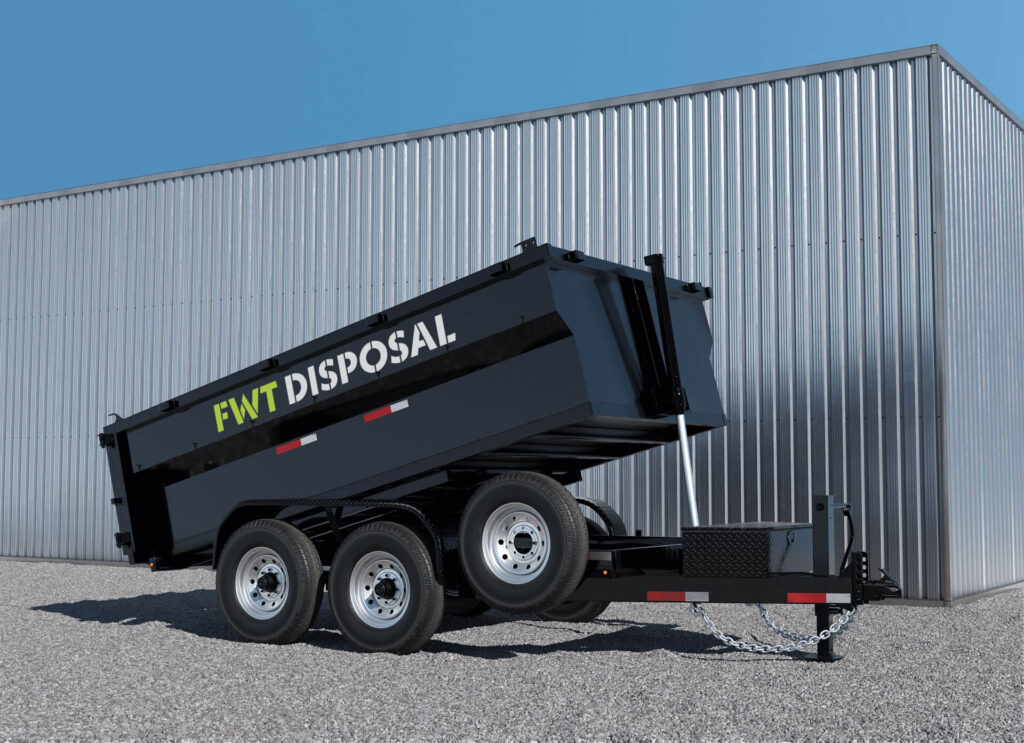
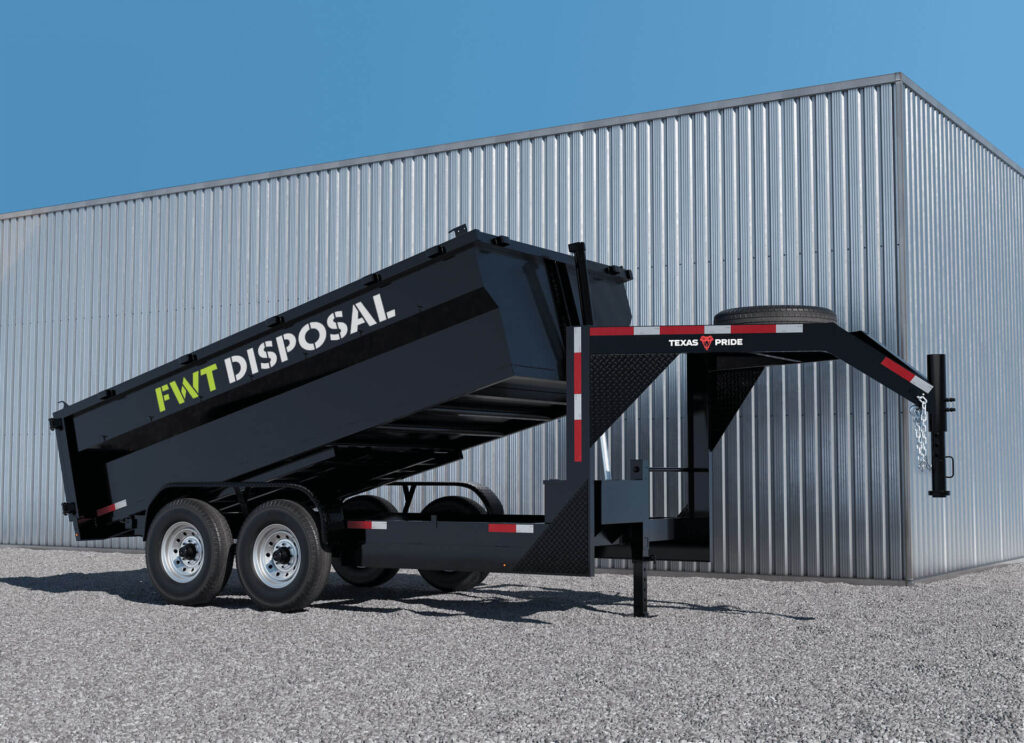
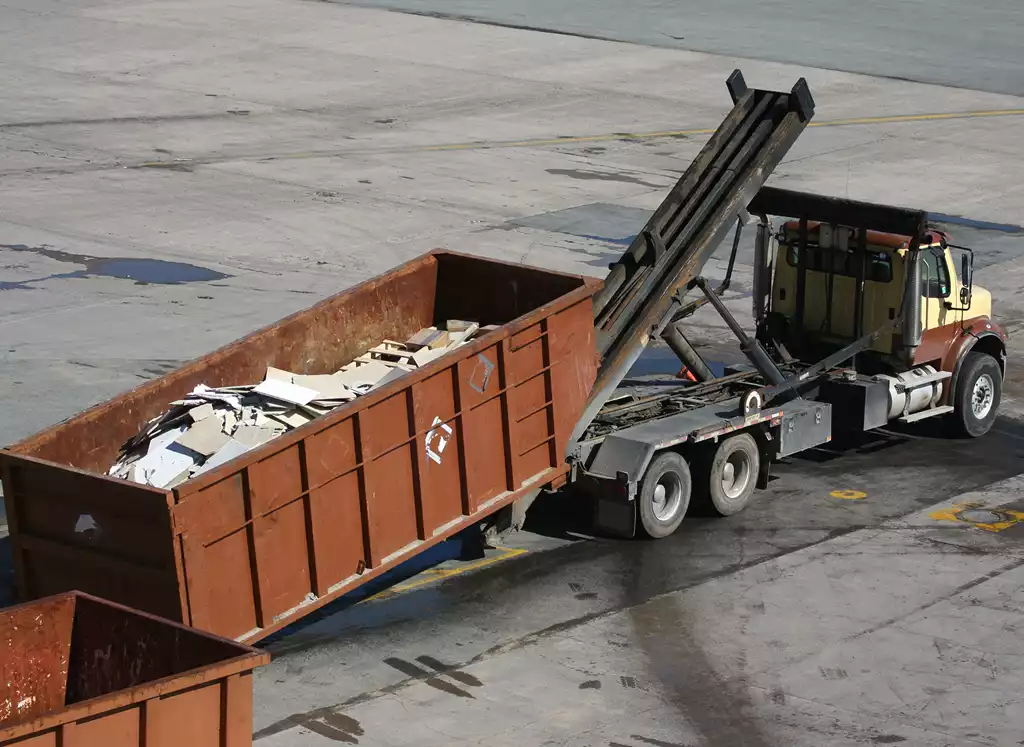
Dumpster rental is a service that allows you to temporarily use a large waste container—typically called a roll-off dumpster—for debris removal. These containers are designed to handle everything from household junk to construction debris, making them a versatile solution for both residential and commercial projects.
One of the biggest advantages of this service is its simplicity. Instead of worrying about how to transport waste, where to dispose of it, or how many trips it will take, everything is handled through a single, streamlined process.
How It Works:
- You select the appropriate dumpster size based on your project
- The dumpster rental company delivers it directly to your location
- You fill it at your own pace during the rental period
- The company returns to pick it up and handles disposal
This process simplifies waste management and eliminates the need for:
- Renting trucks or trailers
- Making multiple landfill trips
- Coordinating disposal logistics
- Spending time loading and unloading waste repeatedly
In addition, most providers take care of proper disposal, ensuring materials are handled according to local regulations. This can be especially important when dealing with construction debris or large volumes of waste.
For anyone searching for dumpster rental near me, understanding how the process works is the first step toward choosing the right provider and avoiding unnecessary complications.
If you’re starting your search, read:
Dumpster Rental Near Me: How to Choose the Best Local Option
Why Dumpster Rental Is the Best Waste Management Solution
There are many ways to handle waste, but dumpster rental stands out as one of the most efficient and practical solutions available today.
1. Convenience
With dumpster rental, all debris goes into one place. You don’t have to separate piles, organize transport, or worry about where to store waste temporarily. This centralized approach keeps your project organized from start to finish.
2. Time Savings
Without a dumpster, you may need to make several trips to a landfill or disposal facility. Each trip takes time, especially when factoring in loading, driving, unloading, and waiting times. A dumpster eliminates this entirely, allowing you to focus on your project instead of waste removal.
3. Cost Efficiency
While it might seem cheaper to haul debris yourself, costs quickly add up when you consider fuel, landfill fees, vehicle wear and tear, and your time. Dumpster rental consolidates all these expenses into one predictable cost, often making it the more economical option.
4. Safety
Loose debris can create hazards, especially on construction sites or during renovations. Having a designated container reduces the risk of trips, falls, and injuries by keeping the area clean and controlled.
5. Flexibility
Unlike junk removal services that require scheduling pickups, dumpster rental allows you to work at your own pace. Whether your project takes a few days or a couple of weeks, you have the flexibility to fill the container when it’s convenient for you.
Another important advantage is environmental responsibility. Many dumpster rental companies work with disposal facilities that sort and recycle materials when possible.
Common Uses for Dumpster Rental
Dumpster rental is used across a wide range of projects, making it one of the most versatile waste management solutions available.
Home Cleanouts
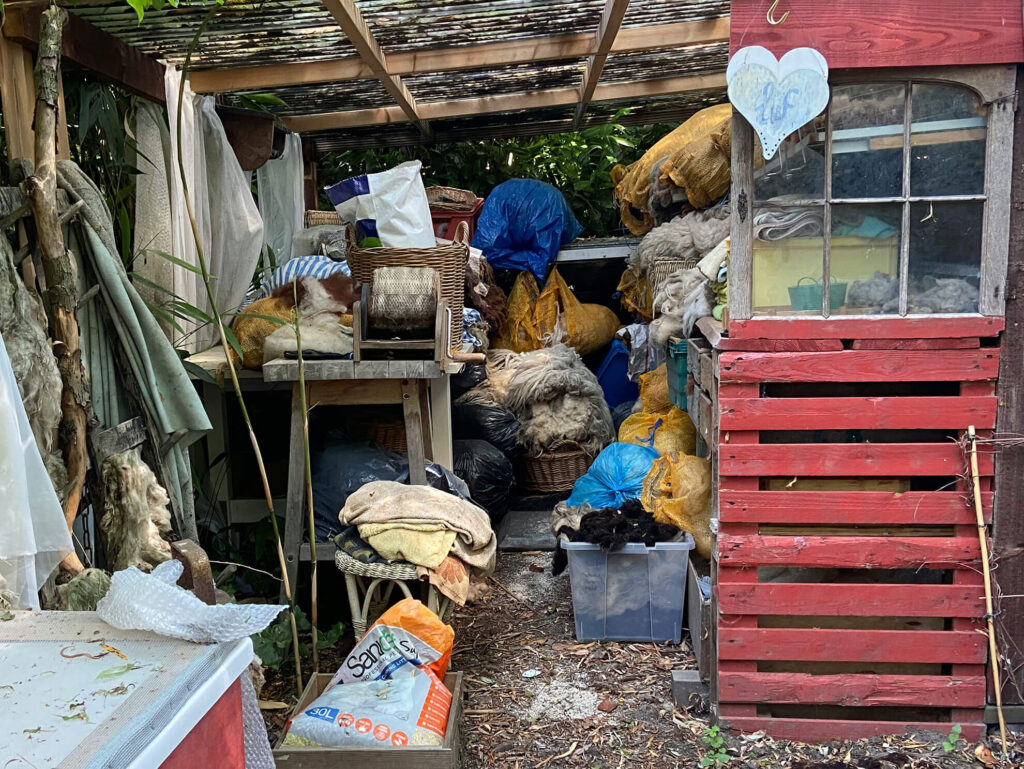
Whether you’re decluttering your garage, cleaning out a basement, or handling an estate cleanout, dumpster rental simplifies the process. Instead of piling items on the curb or making multiple trips, you can dispose of everything in one place.
Renovation Projects
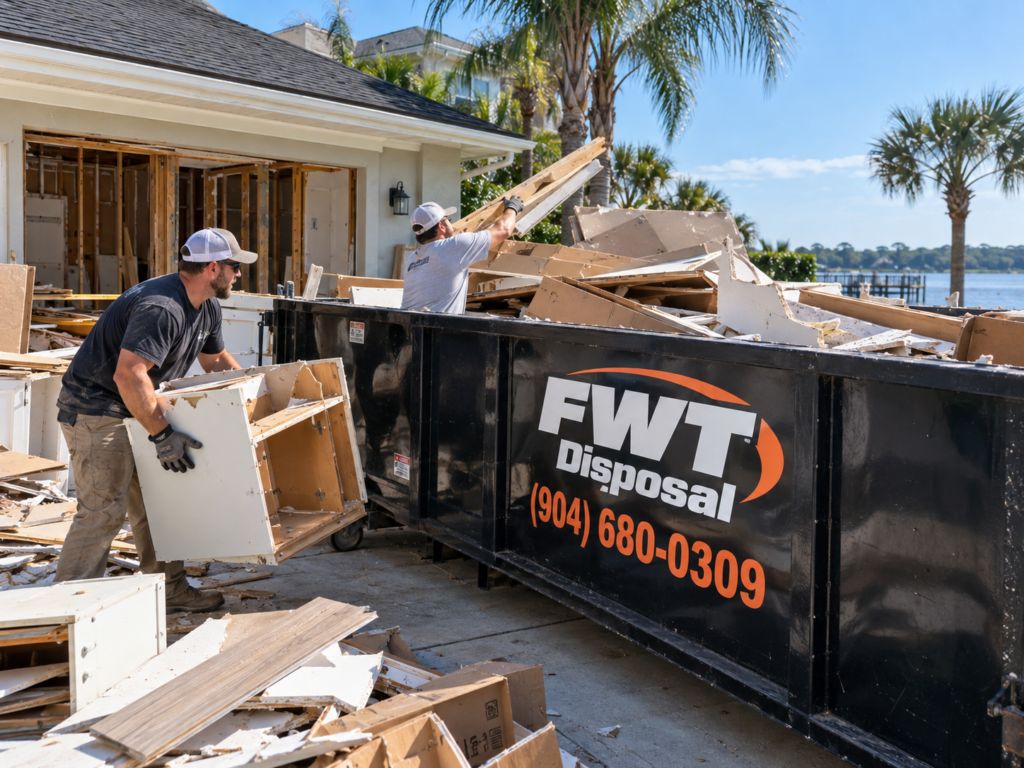
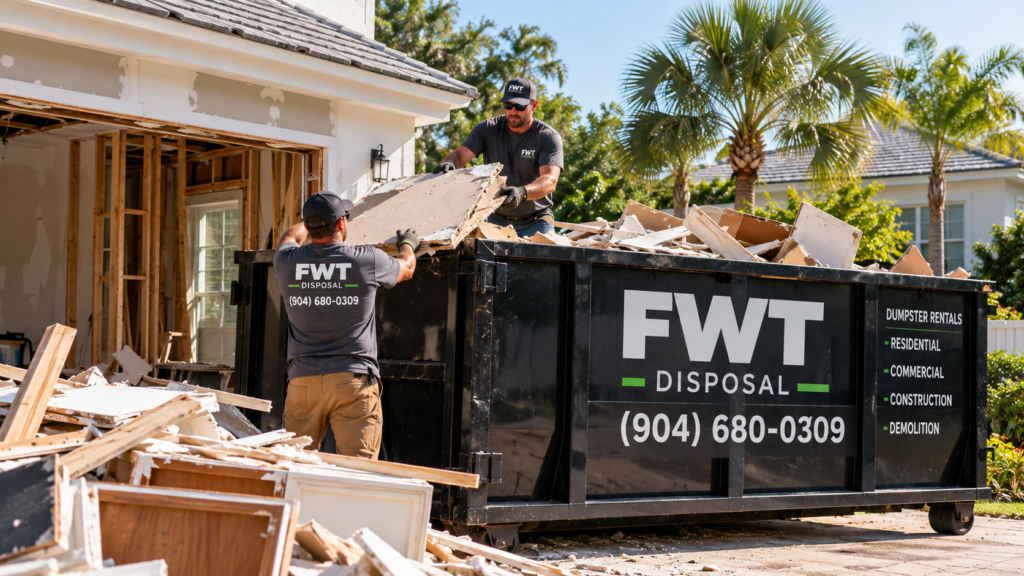
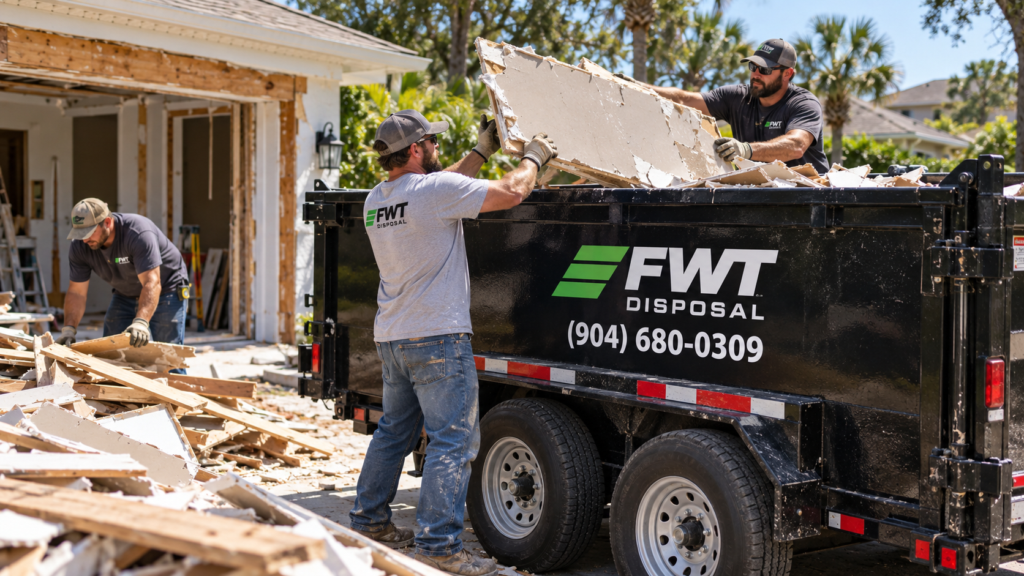
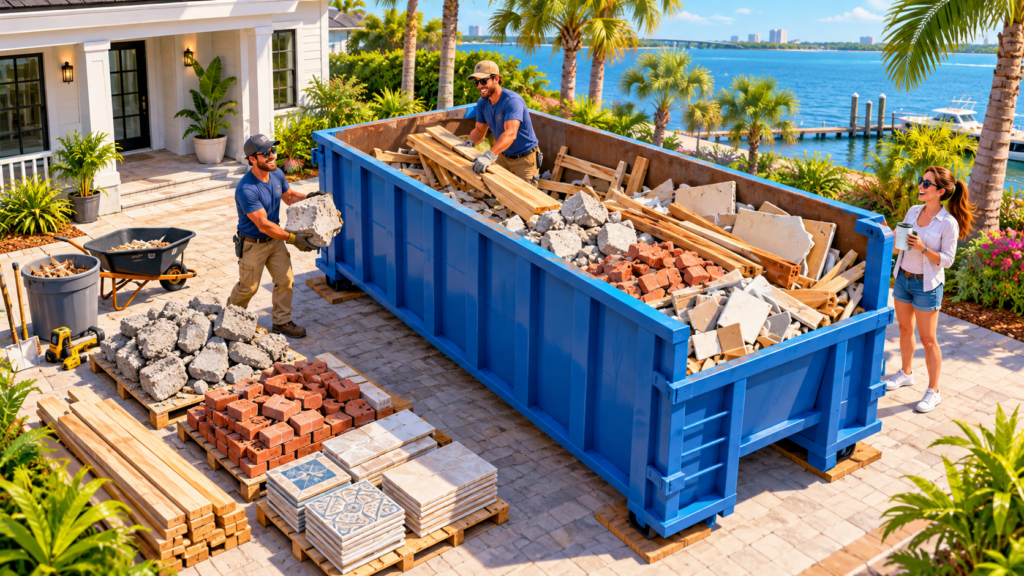
Renovations generate a surprising amount of debris, including drywall, cabinets, flooring, tiles, and fixtures. Having a dumpster on-site keeps everything organized and prevents debris from taking over your space.
Construction Jobs
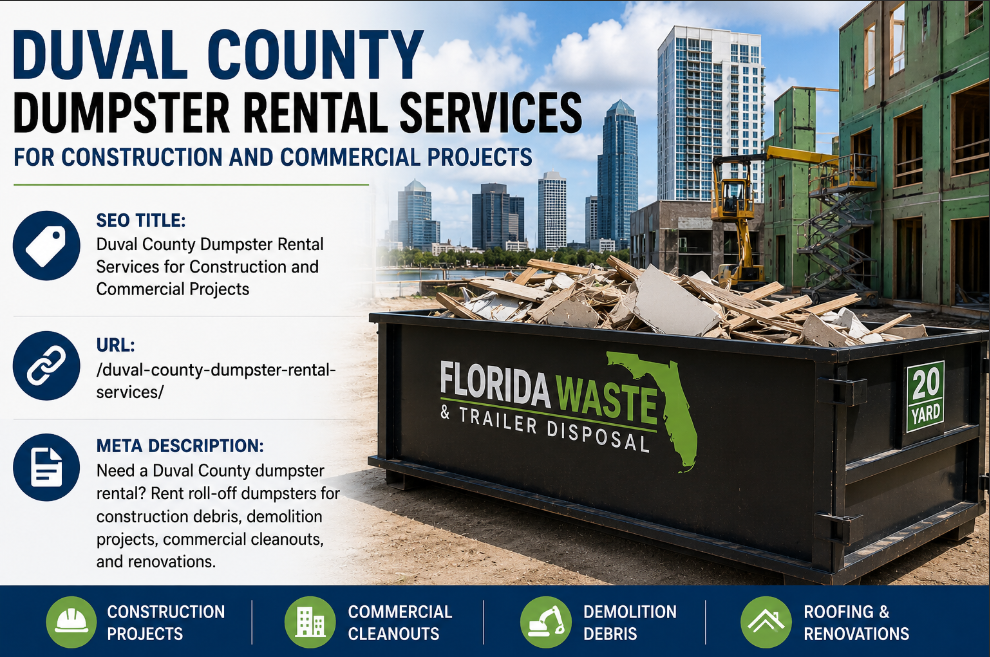
Contractors rely heavily on dumpster rental for ongoing debris management. From framing materials to packaging waste and scrap materials, a dumpster ensures that job sites remain clean, efficient, and compliant with safety standards.
Yard Cleanup
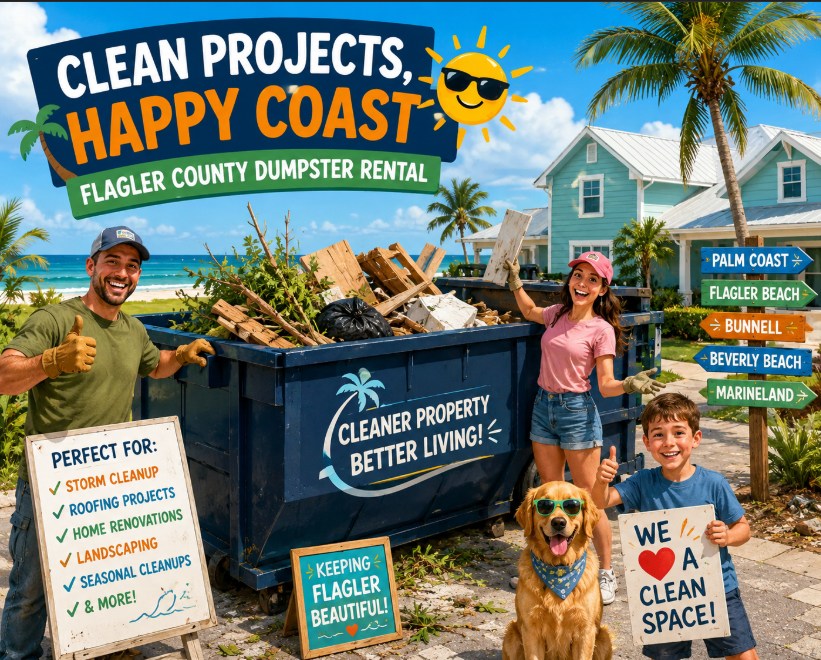
Landscaping projects often produce large volumes of organic waste, including branches, leaves, soil, and sod. Dumpster rental provides a simple way to manage this debris without overwhelming your property.
Light Demolition
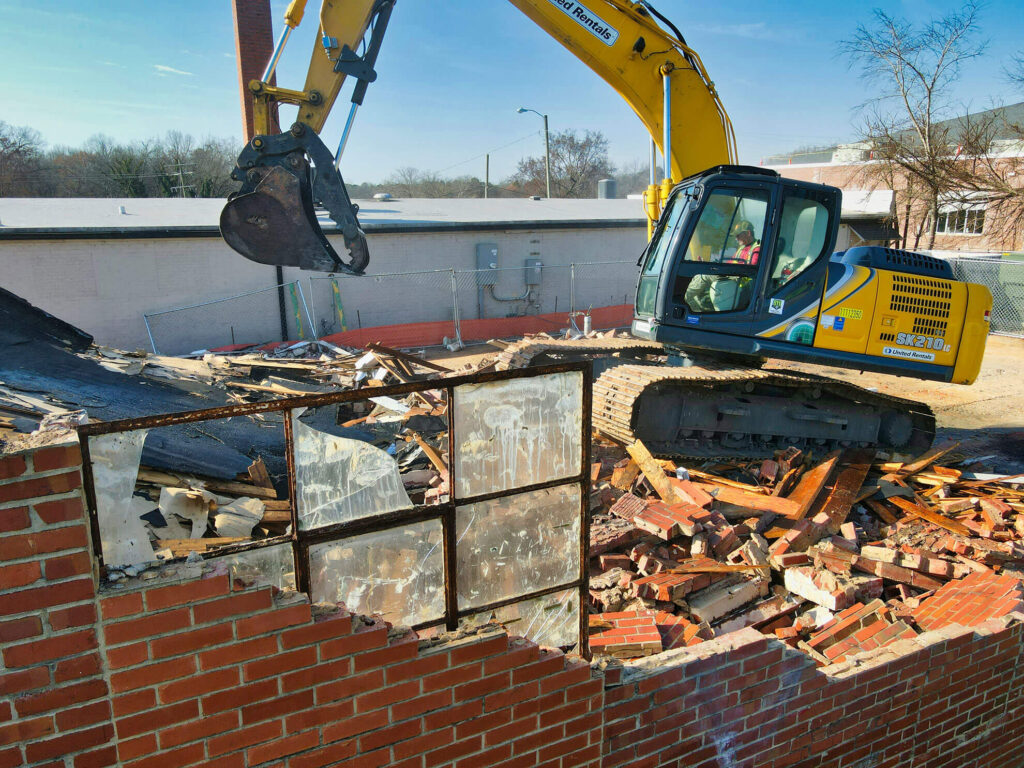
Projects like removing a deck, tearing down a shed, or replacing a fence can generate bulky and heavy debris. Dumpster rental makes it easy to dispose of these materials without interrupting your workflow.
You can check our page Light Demolition & Dumpster Rental for more info.
Small Projects (10 Yard Focus)
If your project is smaller, choosing the right size dumpster matters. A compact option is often ideal for tight spaces and lighter workloads, helping you avoid paying for unused capacity while still getting the job done efficiently.
Read more:
10 Yard Dumpster Rental St. Johns County: Best Uses & Dimensions
Beyond these common uses, dumpster rental is also helpful for moving preparation, office cleanouts, foreclosure cleanups, and even seasonal decluttering projects. Its adaptability is one of the key reasons it remains a preferred solution across so many different industries and situations.
By understanding how dumpster rental works and where it fits best, you can make more informed decisions and ensure your project runs smoothly from start to finish.
Dumpster Sizes Explained (Detailed Breakdown)
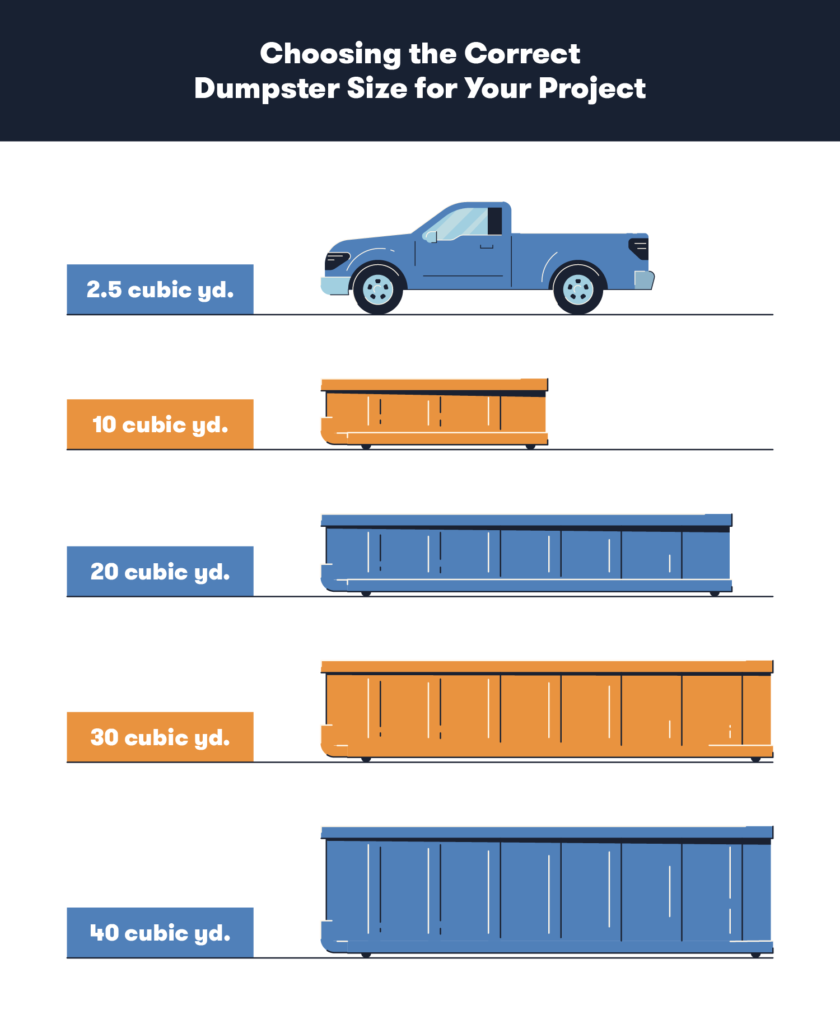
Choosing the right size is one of the most important decisions you’ll make when planning your project. The size you select affects not only how efficiently you can dispose of materials, but also your overall cost, workflow, and convenience. Going too small may require multiple hauls, while going too large can mean paying for unused capacity. Understanding how each option fits different types of jobs helps you make a smarter, more cost-effective choice.
10-Yard Dumpster
Best for:
- Small cleanouts
- Heavy materials like dirt or concrete
- Minor renovations
A 10-yard dumpster is compact but surprisingly capable. It’s ideal for projects where space is limited, such as residential driveways or tighter urban areas. Because of its smaller footprint, it’s easier to place and less intrusive, making it a popular choice for homeowners.
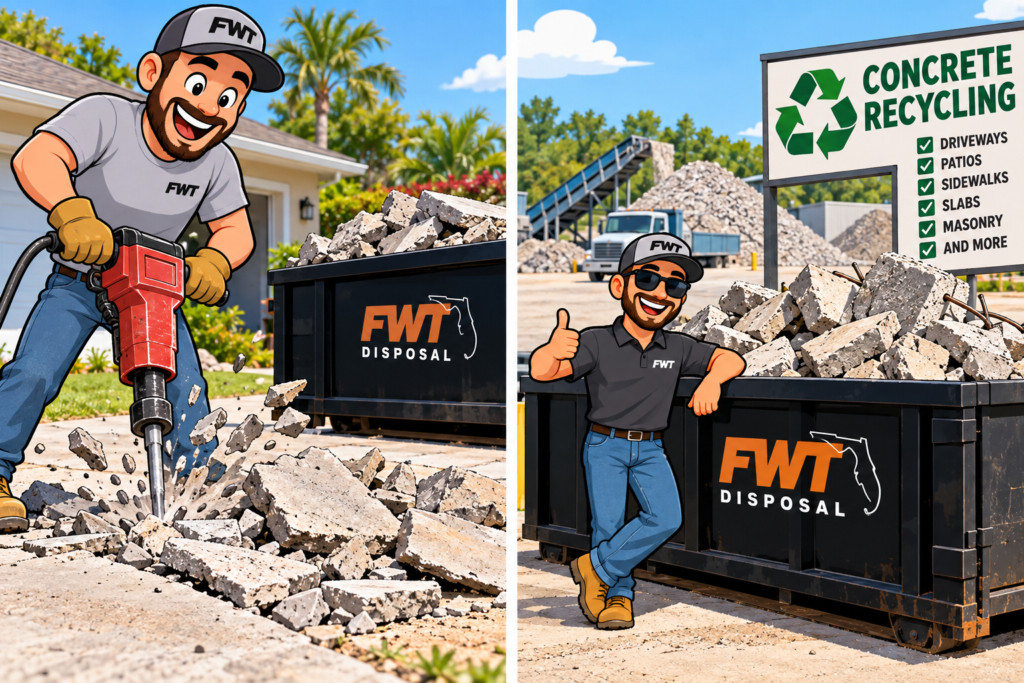
This size is especially useful for heavy debris. Materials like concrete, soil, or roofing shingles can reach weight limits quickly, so using a smaller container helps prevent overage fees while still handling the load efficiently.
👉 Internal link to blog #4 (last one):
10 Yard Dumpster Rental St. Johns County
20-Yard Dumpster
Best for:
- Medium home renovations
- Roofing projects
- Garage cleanouts
The 20-yard option is often considered the most versatile. It provides enough space for bulkier items without taking up too much room on your property. This makes it ideal for projects like kitchen remodels, flooring removal, or multi-room cleanouts.
For homeowners unsure about sizing, this is often the safest choice. It offers flexibility without significantly increasing costs, and it can handle a wide variety of materials—from furniture to construction debris.
30-Yard Dumpster
Best for:
- Major remodeling
- Construction projects
- Large cleanouts
When dealing with high-volume debris, a 30-yard container provides the capacity needed to keep your project moving efficiently. It’s commonly used for whole-home renovations, additions, or large-scale cleanouts where multiple rooms are involved.
This size reduces the need for additional pickups, which can save both time and money on larger jobs. It’s especially useful when you expect a mix of bulky and lightweight materials.
40-Yard Dumpster
Best for:
- High-volume debris
- Commercial construction
- Large-scale demolition
The largest standard option is designed for projects that generate significant waste. Commercial construction sites, demolition work, and major renovations benefit from this size because it minimizes interruptions and allows for continuous work without frequent hauling.
However, it requires more space for placement and may not be suitable for all residential areas. Planning ahead is key to ensuring there’s enough room for delivery and pickup.
Cost Breakdown: What to Expect
Understanding pricing is essential for planning your budget accurately. While ranges can vary depending on location and demand, having a general idea helps avoid surprises.
Average Price Ranges
- 10-yard: $250–$450
- 20-yard: $350–$600
- 30-yard: $450–$700
- 40-yard: $550–$900
These estimates typically include delivery, pickup, and a set rental period. However, additional factors can influence the final cost.
Key Factors That Affect Pricing
Location
Costs vary depending on your area, availability, and local disposal fees. Urban and high-demand regions may have slightly higher rates.
👉 Internal link to supporting blog #3:
Clay County Dumpster Rental: Costs, Sizes & What to Expect
Weight Limits
Each container includes a specific weight allowance. Heavier loads may result in additional charges, so it’s important to match your project type with the appropriate size.
Rental Duration
Standard rental periods usually range from one to two weeks. Extending beyond that timeframe may incur daily fees.
Type of Debris
Certain materials—especially heavy or restricted items—can impact pricing. Mixing materials can also affect how waste is processed.
Comparing Options: Container vs Junk Removal
When deciding how to handle waste, many people consider full-service junk removal as an alternative. While both options serve a similar purpose, they operate very differently.
Container-Based Approach
- Work at your own pace
- More cost-effective for larger volumes
- Ideal for ongoing or multi-day projects
Junk Removal Services
- Faster for small, one-time pickups
- Typically more expensive per load
- Requires scheduling and coordination
For most renovation, construction, or cleanup projects, having a container on-site provides greater flexibility and control.
Why Choosing a Local Provider Matters
Working with a local company offers several advantages that can directly impact your experience:
- Faster delivery and pickup times
- Better understanding of local regulations and permit requirements
- More responsive customer service
- Competitive, region-specific pricing
👉 Internal link blog #2:
Dumpster Rental Near Me: How to Choose the Right Provider
Local expertise can make a significant difference, especially when dealing with permits, placement restrictions, or scheduling challenges.
Why FWT Disposal Is a Reliable Option
Selecting a dependable provider is just as important as choosing the right size. Service quality, communication, and reliability all play a role in ensuring your project runs smoothly.
FWT Disposal stands out because it:
- Covers multiple counties, making it ideal for both residential and commercial needs
- Offers a full range of container sizes
- Provides consistent delivery and pickup schedules
- Maintains transparent pricing with no hidden surprises
- Focuses on customer support and responsiveness
Whether you’re working on a small home project or a larger job across different areas, having a reliable partner helps reduce stress and keeps everything on track.
Contact us at https://fwtdisposal.com, and we will be happy to help!
What You Can and Cannot Dispose Of
Understanding what materials are allowed is essential to avoid delays or additional fees.
Accepted Materials
- Household items
- Furniture
- Construction debris
- Yard waste
Restricted Materials
- Hazardous waste
- Chemicals
- Batteries
- Tires
Disposal rules can vary by location, so it’s always best to confirm with your provider before loading restricted items.
For more detailed and official guidance on acceptable materials and safe disposal practices, you can review the Environmental Protection Agency guidelines.
Understanding Weight Limits
Weight limits are a key factor in pricing and logistics. Even if a container isn’t completely full, heavy materials can quickly exceed the included allowance.
Common Heavy Materials:
- Concrete
- Roofing shingles
- Soil
Distributing weight evenly and choosing the appropriate size helps prevent additional charges and ensures safe transportation.
Step-by-Step Process
The process is straightforward:
- Choose the appropriate size for your project
- Schedule delivery at a convenient time
- Fill the container as work progresses
- Arrange pickup once you’re finished
Working with a reliable provider ensures each step is handled efficiently, allowing you to focus on your project instead of logistics.
Practical Tips for Better Results
- Choose slightly larger than your estimate to avoid overflow
- Avoid overfilling above the top edge
- Distribute materials evenly inside the container
- Plan placement to ensure easy access
- Schedule early during busy seasons
These small decisions can make a big difference in both cost and convenience.
Common Mistakes to Avoid
- Underestimating the amount of debris
- Ignoring weight restrictions
- Overloading the container
- Waiting too long to book
- Disposing of restricted items without checking
Avoiding these mistakes helps keep your project running smoothly and prevents unexpected costs.
Project-Specific Applications
Different types of projects benefit from different approaches:
Remodeling
Drywall, cabinets, flooring, and fixtures can quickly accumulate.
Roofing
Shingles are heavy and require careful planning to avoid weight overages.
Moving
Decluttering before relocation reduces moving costs and simplifies the process.
Estate Cleanouts
Large volumes of items can be managed efficiently in a single container.
Seasonal Demand and Planning
Demand tends to increase during:
- Spring (cleanouts and decluttering)
- Summer (construction and renovations)
- After storms (debris removal)
Booking early during peak seasons ensures availability and helps you stay on schedule.
Conclusion
Managing waste efficiently is a key part of any successful project. By understanding size options, pricing factors, and best practices, you can avoid unnecessary costs and keep everything running smoothly.
Working with a trusted provider like FWT Disposal ensures reliable service, clear communication, and a streamlined experience from start to finish.
With the right planning and the right support, handling debris becomes one less thing to worry about—allowing you to focus on completing your project efficiently and confidently.