Every home generates debris over time. From everyday trash to renovation scraps and bulky items, managing residential waste is a routine part of property ownership.
In Northeast Florida — especially in Jacksonville, St. Johns County, and Clay County — rapid development, frequent remodeling, and seasonal storms contribute to increasing volumes of residential waste. Understanding what qualifies, how it should be handled, and when professional services are necessary can prevent fines, delays, and safety risks.
This guide explains everything homeowners need to know about waste, including disposal options, regulations, and efficient cleanup strategies.
What Is Residential Waste?
At its simplest definition, it refers to materials discarded from private homes. This includes both everyday trash and bulk debris generated from projects or cleanouts.
Common examples of residential waste include:
- Household garbage
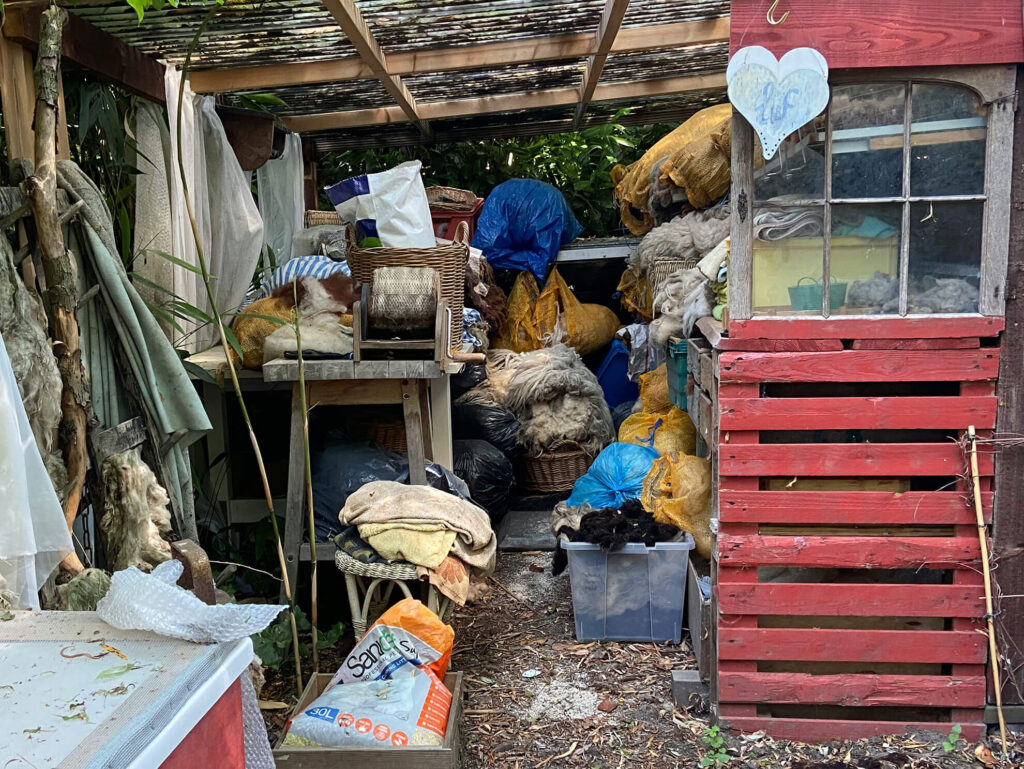
- Old furniture
- Broken appliances
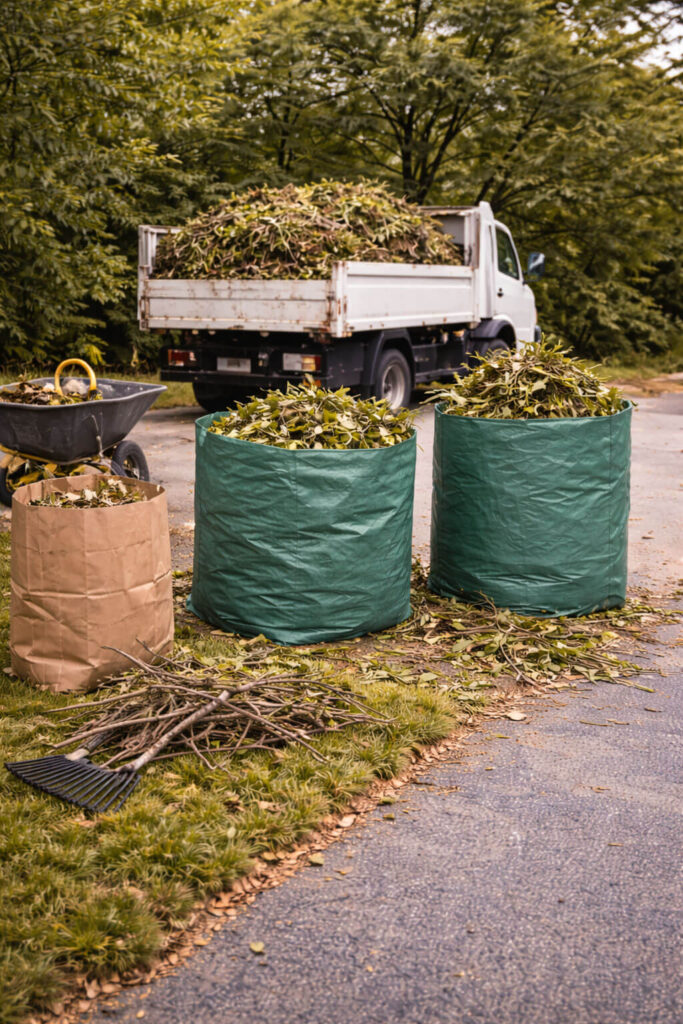
- Yard debris
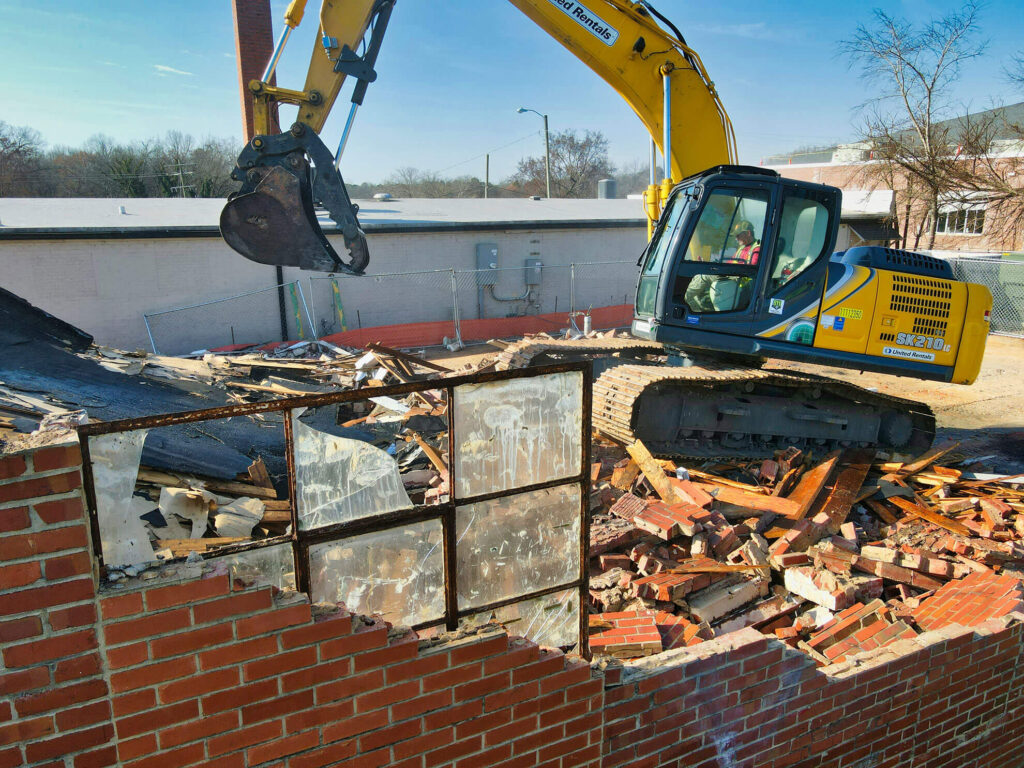
- Remodeling scraps
- Roofing materials
- Fencing and decking
However, not all residential waste can be handled through weekly curbside collection. Larger or heavier items often require special arrangements.
Everyday Trash vs Bulk Waste
It’s important to distinguish between regular household garbage and bulk residential waste.
Regular Trash
Collected weekly by municipal services. Typically includes food packaging, small items, and household refuse.
Bulk Debris
Includes furniture, construction materials, and heavy yard debris. This type of waste often exceeds local pickup limits.
When debris surpasses municipal guidelines, homeowners must arrange alternative disposal methods.
Residential Waste in Jacksonville
Jacksonville’s size and housing diversity create unique debris management challenges. Many neighborhoods operate under HOA rules that limit curbside bulk disposal.
Improper handling of residential waste can result in citations or complaints. Organized cleanup methods help homeowners stay compliant while keeping properties presentable.
Storm season also increases the volume of waste, particularly tree limbs and damaged building materials.
Residential Waste in St. Johns County
St. Johns County continues to experience rapid housing growth. New construction, remodeling, and landscaping upgrades contribute significantly to residential waste generation.
Coastal weather patterns also mean storm-related debris becomes part of routine cleanup planning.
Understanding how to manage waste properly protects property values and neighborhood appearance.
Residential Waste in Clay County
Clay County homeowners often manage larger lots and outdoor projects. Deck construction, fencing, shed removal, and landscaping create substantial waste.
Municipal pickup may not accommodate heavy materials, making alternative solutions necessary for proper disposal.
When Residential Waste Becomes Too Much for Weekly Pickup
Homeowners should consider additional solutions when:
- Debris fills multiple bins
- Bulk items are rejected by pickup crews
- Renovation materials accumulate
- Yard projects exceed municipal volume limits
If your debris exceeds municipal limits, professional residential waste removal services can provide a safe and efficient solution.
How to Dispose of Residential Waste Properly
There are several responsible disposal options available.
1. Municipal Bulk Pickup
Some cities offer scheduled bulk collection days. However, volume limits and scheduling restrictions may apply.
2. Transfer Stations
Homeowners may transport waste directly to approved facilities. This option requires time, transportation capacity, and awareness of regulations.
3. Dumpster Rental
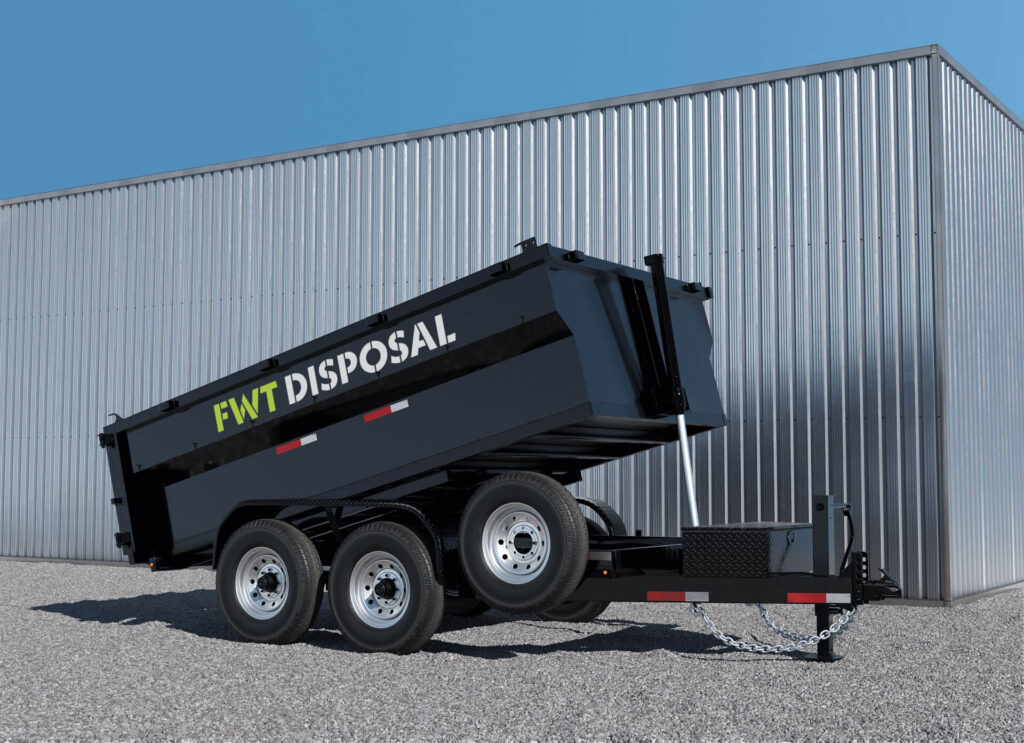
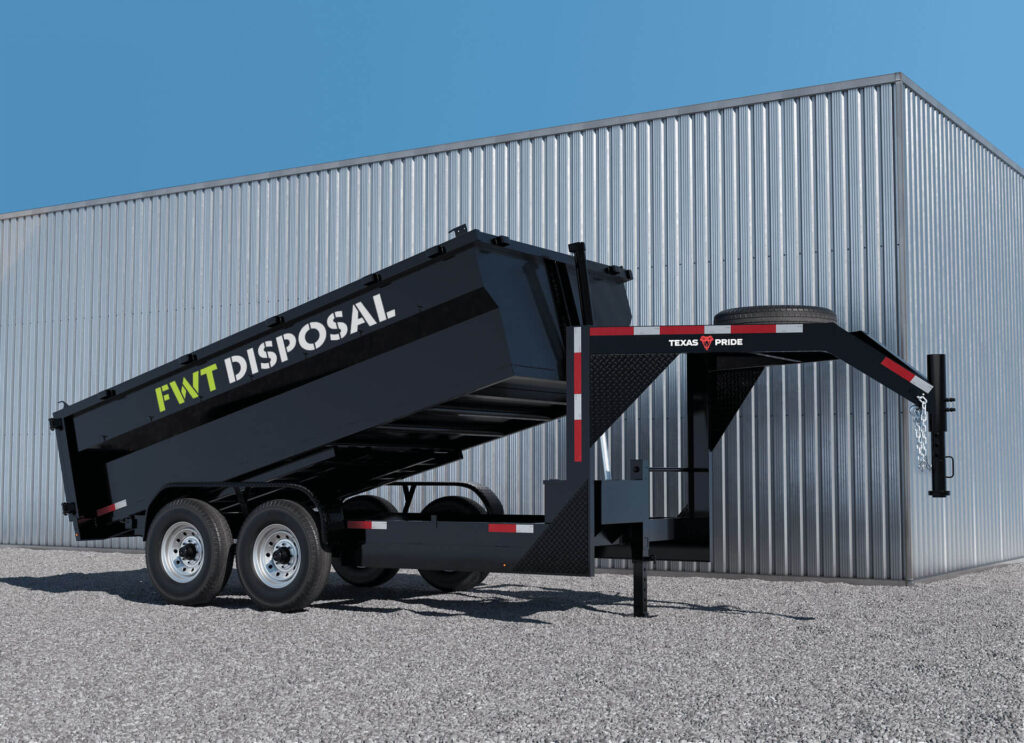
For larger projects, container-based solutions provide a structured approach to handling residential waste. This is often the most efficient choice for renovations and cleanouts.
Read our Guide on “Florida waste removal services”
Environmental Responsibility
Improper disposal of residential waste can harm Northeast Florida’s wetlands and waterways.
The Florida Department of Environmental Protection provides guidance on proper disposal:
https://floridadep.gov/waste
Following approved disposal practices ensures residential waste does not negatively impact local ecosystems.
Common Mistakes to Avoid
Homeowners often make avoidable mistakes when handling waste:
- Leaving debris at the curb indefinitely
- Mixing hazardous materials with regular trash
- Overloading standard bins
- Failing to schedule pickup before starting demolition
Planning ahead ensures efficient management of waste.
Cost Considerations
The cost of managing residential waste depends on:
- Volume of debris
- Type of materials
- Transportation needs
- Disposal method
For small amounts, municipal services may suffice. For larger volumes, structured solutions may offer better long-term value.
How Proper Waste Management Protects Property Value
Unmanaged waste negatively affects curb appeal and neighborhood perception.
Homeowners preparing to sell often prioritize organized debris removal before listing. Clean, clutter-free properties attract stronger buyer interest.
Managing residential waste efficiently supports both property value and community standards.
Why Planning Ahead Matters
Starting a renovation or landscaping project without a disposal plan leads to delays and clutter.
Before demolition begins, evaluate how much waste the project will generate. This allows you to schedule appropriate services and avoid interruptions.
Proactive planning simplifies residential waste management and keeps projects on track.
Managing waste is a fundamental part of homeownership in Northeast Florida. Whether dealing with everyday clutter, remodeling debris, or storm damage, understanding your options ensures safe and responsible disposal.
By planning ahead and choosing the right method, homeowners in Jacksonville, St. Johns County, and Clay County can maintain clean properties, protect property values, and stay compliant with local regulations.