Planning a Florida home renovation? You’re dreaming of new countertops and modern floors, but what about the mountain of old tile, splintered wood, and busted drywall you’re about to create? Tossing it in your regular trash bin isn’t an option, for good reason.
That pile of renovation debris has a special name: Construction and Demolition waste, often shortened to C&D. This category covers anything from a building project, so what is considered construction debris in FL includes materials like old wood, drywall, concrete, carpet, and metal. Because there’s so much of it and it contains a mix of bulky materials, Florida has specific rules for its disposal.
The scale of this issue is massive. According to the U.S. Environmental Protection Agency, over 600 million tons of construction waste disposal is generated nationwide in just one recent year, highlighting the importance of proper construction and demolition waste management.
Fortunately, handling your Florida construction waste disposal is straightforward once you know the options. This guide covers four main solutions: renting a dumpster, hiring a junk removal service, hauling it yourself, or using a dumpster bag for smaller jobs. We’ll help you choose the right method so you can get back to enjoying your new space.
Why You Can’t Mix Old Drywall with Your Kitchen Trash
The primary reason is space. Landfills in Florida aren’t bottomless pits. Construction debris is heavy and bulky, and if we threw all that concrete, wood, and metal in with regular garbage, our landfills would fill up alarmingly fast. To preserve this valuable space for true household waste, state rules require construction materials to be handled separately.
Beyond just saving room, separating your project debris also unlocks a major recycling opportunity. Unlike mixed household trash, a pile of construction waste disposal is full of valuable resources. At a proper facility, clean concrete can be crushed for new roadbeds, and metal gets melted down for reuse. But this recycling can only happen if these materials aren’t contaminated by everyday garbage.
These Florida C&D landfill regulations protect our state’s natural resources. The Florida Department of Environmental Protection’s rules for managing job site waste aren’t just red tape; they’re a practical way to keep Florida beautiful. For many homeowners and remodelers, the answer starts with having a dedicated container on-site.
Option 1: Renting a Dumpster for Total Project Control
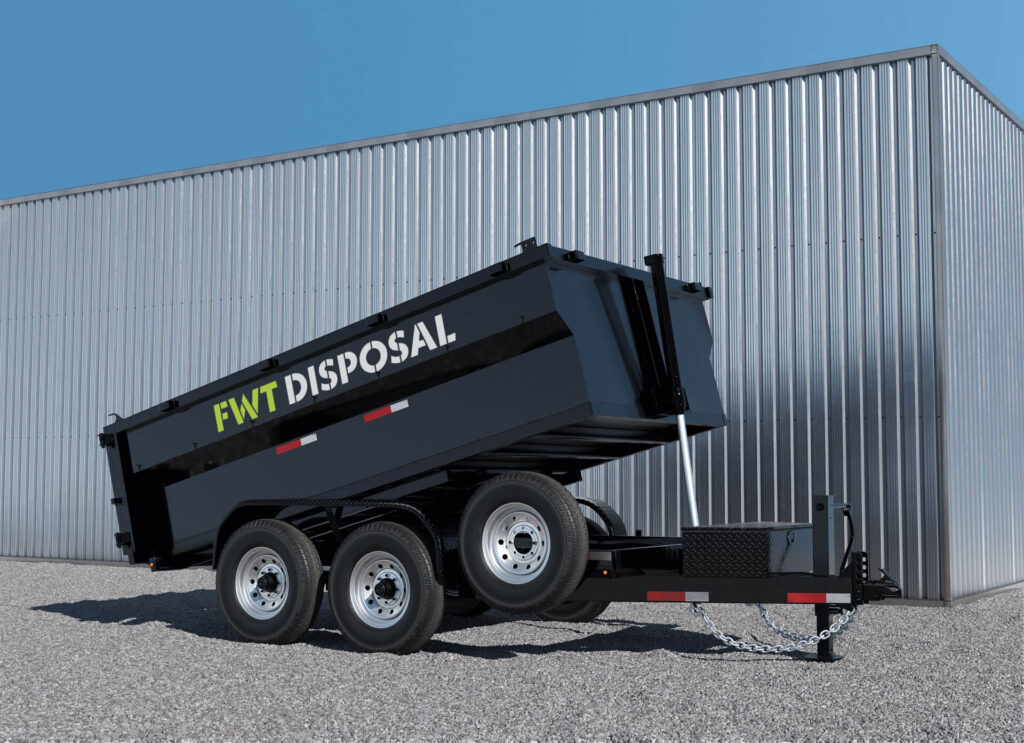
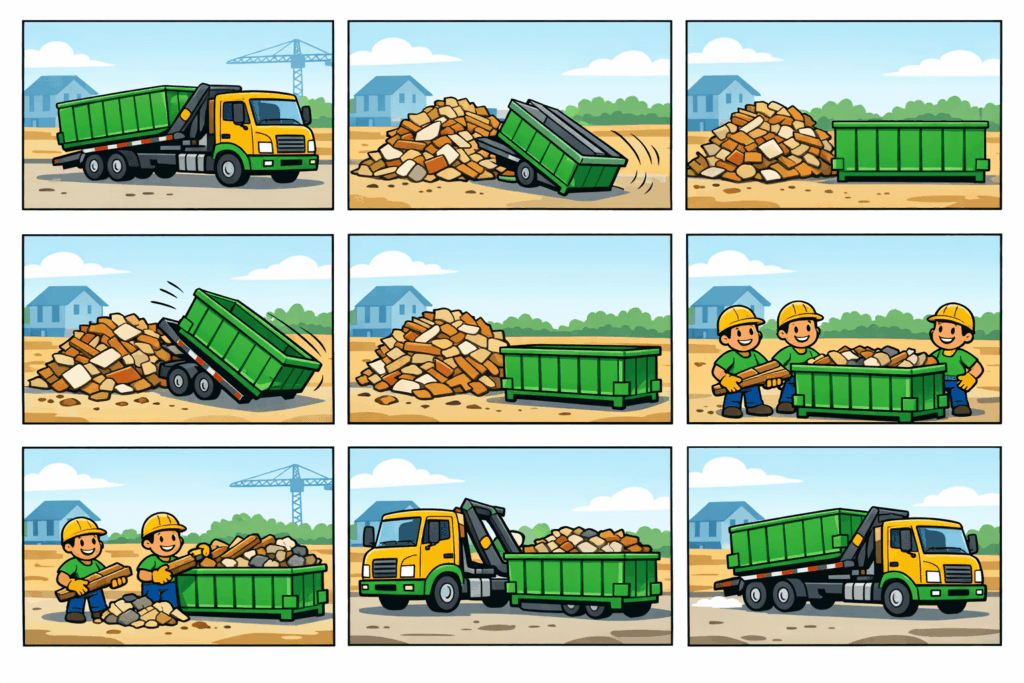
For total control over your project’s timeline, a dumpster rental is often the most straightforward choice. The process is simple: a company delivers a large metal bin to your property, you fill it with debris as you work, and then they haul it away once you’re finished or the rental period ends. This “set it and forget it” approach is ideal for multi-day projects like a kitchen remodel or fence replacement, where waste is generated gradually.
The biggest question is often about size. Dumpsters are measured in cubic yards, but it’s easier to think about them in terms of your project. While companies can provide a specific recommendation, here are some common sizes for home projects:
- 10-Yard Dumpster: Perfect for a small bathroom remodel or tearing out a small deck. (Holds about 3-4 pickup truck loads).
- 15-Yard Dumpster: A great fit for a full kitchen demolition or removing a large volume of flooring.
- 20-Yard Dumpster: Best for large-scale cleanouts or bigger renovation projects.
Financially, this option offers great predictability. Most Florida dumpster rentals come with flat-rate pricing, meaning one price covers the delivery, pickup, and disposal fees up to a certain weight. This makes it easy to budget for your construction waste disposal without worrying about surprise charges. It’s a key difference when comparing dumpster rental vs junk removal for construction.
Renting a dumpster is your best bet when you have the time and ability to load the debris yourself. But what if you need the mess gone now and prefer not to do the heavy lifting?

Option 2: Renting a 10-Yard Dumpster for Small Renovations and Cleanouts
For smaller renovation projects and residential cleanouts, a 10-yard dumpster rental from Florida Waste & Trailer Disposal is often the smartest and most cost-effective solution for managing construction waste disposal. This compact roll-off container is ideal for projects like bathroom remodels, garage cleanouts, deck removals, or replacing flooring in a few rooms.
The 10-yard dumpster offers just the right amount of space without overwhelming your driveway or property. It holds approximately 3 to 4 pickup truck loads of debris, making it perfect for homeowners who want efficient construction waste disposal without paying for more capacity than they need. Because of its smaller footprint, it’s easier to place in tight spaces and typically does not require special permits for most residential properties.
With fwtdisposal.com, you benefit from fast delivery, flexible rental periods, and transparent pricing, so there are no surprises when your project is finished. Their local team understands Northeast Florida regulations and ensures your debris is handled responsibly from start to finish. For homeowners looking for a simple, affordable, and reliable solution, a 10-yard dumpster rental from Florida Waste & Trailer Disposal is an excellent choice.

Option 3: Choosing a 15-Yard Dumpster for Medium-Sized Projects
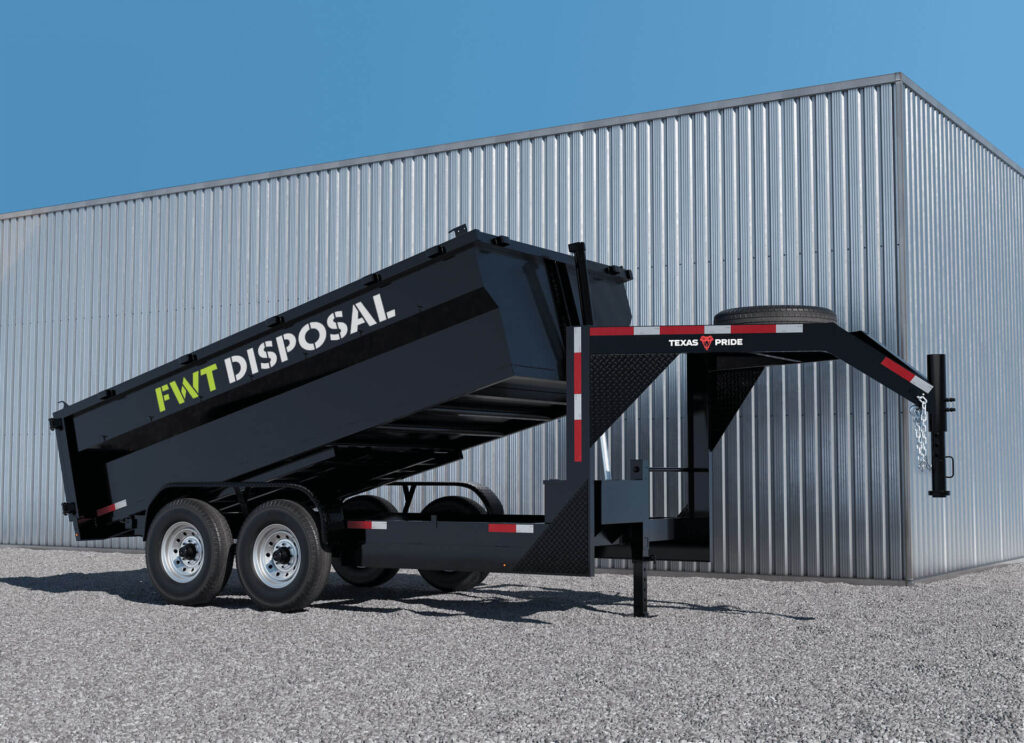
When your renovation project is larger than a small cleanout but not quite a full-scale remodel, a 15-yard dumpster from Florida Waste & Trailer Disposal offers the perfect balance of capacity and convenience for construction waste disposal. This size is ideal for full kitchen demolitions, multi-room flooring replacements, fence removals, or moderate landscaping projects.
A 15-yard dumpster provides enough space for heavier and bulkier materials such as drywall, wood, tile, and cabinetry, while still fitting comfortably in most residential driveways. It eliminates the need for multiple trips to the landfill and keeps your job site organized throughout the project, making ongoing construction waste disposal easier and more efficient.
By renting from fwtdisposal.com, you gain access to prompt delivery, dependable pickup, and expert guidance on choosing the right dumpster size for your needs. Their team serves homeowners and contractors across Northeast Florida with a reputation for reliability and excellent customer service. If your project generates a steady flow of debris over several days, a 15-yard dumpster rental from Florida Waste & Trailer Disposal provides the flexibility and control you need to stay on schedule and within budget.
How to Choose: The Right Construction Waste Disposal Option for Your Project
Choosing the right construction waste disposal method depends on three key factors: the size of your project, your budget, and how much labor you want to handle yourself. From small home renovations to full remodeling projects, the right solution can save you time, money, and unnecessary stress.
For many homeowners and contractors in Northeast Florida, renting the right-sized dumpster from Florida Waste & Trailer Disposal is the most efficient and reliable option. With multiple container sizes, fast delivery, and flexible pickup, fwtdisposal.com makes construction waste disposal simple and predictable for projects of every size.
Use the comparison below to help decide which option best fits your needs:
| Option | Best For | Your Labor |
|---|---|---|
| Dumpster Rental (FWTD 10–15 Yard) | Home renovations, flooring, kitchens, decks | You load the dumpster |
| Junk Removal Service | Single-day heavy cleanouts | None — crew loads everything |
For most residential and remodeling projects, a 10-yard or 15-yard dumpster from Florida Waste & Trailer Disposal offers the best balance of affordability, convenience, and control. It keeps your job site clean, eliminates repeated landfill trips, and ensures your construction waste disposal is handled according to local regulations.
After choosing your method, there’s one final step: making sure no prohibited or hazardous materials end up in your container.
What Can’t Go in the Bin? A Guide to Hazardous and Prohibited Items
Whether you’ve chosen a dumpster or a junk removal service, the final step is a crucial one: ensuring you don’t mix in prohibited items. For safety and environmental reasons, Florida waste rules are strict about keeping certain materials out of C&D landfills. Putting the wrong thing in the bin can lead to extra fees from your disposal company or even fines from the county.
Many of these off-limits materials fall into a special category called Household Hazardous Waste (HHW). Think of these as any products that are corrosive, flammable, or toxic. While they might be part of your project, they can’t be disposed of with regular debris. The most common culprits found during a renovation include:
- Wet Paint, Stains, and Sealers
- Solvents, Adhesives, and Chemicals
- Asbestos-containing materials (like old “popcorn” ceilings or vinyl flooring)
- Batteries (especially car or lead-acid batteries)
- Tires
- Fluorescent Light Bulbs
A good rule of thumb is to keep any liquids or products with “Danger” or “Warning” labels out of the dumpster. If you wouldn’t pour it down the drain, it probably needs special handling.
Take these items to a designated hazardous waste facility. A quick search for “[Your County] hazardous waste drop-off” will show you the nearest location, hours, and any potential fees. Separating these items isn’t just a requirement; it’s the first step toward more eco-friendly building material disposal.
The Smart Way to Recycle Your Construction Debris
Exploring eco-friendly building material disposal options goes beyond just separating out hazardous materials. Many of the bulkiest items from a renovation are valuable resources that can be recycled. Heavy materials like concrete from a busted patio, metal from old appliances or wiring, and clean, untreated wood can often be recovered and reused. These are the big three of C&D recycling, and keeping them out of the landfill is a major environmental win.
Fortunately, you don’t have to sort all this yourself in most cases. When you hire a dumpster or junk removal service, your load is often hauled to a specialized construction and demolition debris recycling facility. At these sorting centers, machines and workers separate the valuable materials from the non-recyclable trash, doing the hard work for you. This makes choosing a professional service one of the easiest ways to recycle.
However, not everything can be saved. For example, a common question is, can you recycle drywall in Florida? While technically possible, the gypsum core mixed with paper and potential contaminants from paint or texture makes it very difficult to process, so it usually heads to the landfill.
Your Final Checklist for a Hassle-Free Project Cleanup
With a clear understanding of your options, that pile of renovation debris is no longer a headache but a manageable part of your project. Use this checklist to create a concrete plan for your Florida construction waste disposal needs.
Your 4-Step Waste Plan
- Estimate Your Debris: Is it a small weekend pile, a medium bathroom remodel, or a large renovation?
- Choose Your Method: Based on size and effort, pick your best fit.
- Check for Prohibited Items: Set aside any paints, chemicals, or other hazardous materials for their own special disposal.
- Schedule It: Book your service with fwtdisposal.com
This simple approach is about more than just avoiding fines; it’s about taking control of your entire project from start to finish. Now you can tackle your renovation with confidence, knowing the mess is already handled.